
An SOS alert, even with no network.
The satellite beacon that will send your position to the people close to you, with no network. The project is under construction, and its progress is public.
From activation to alert
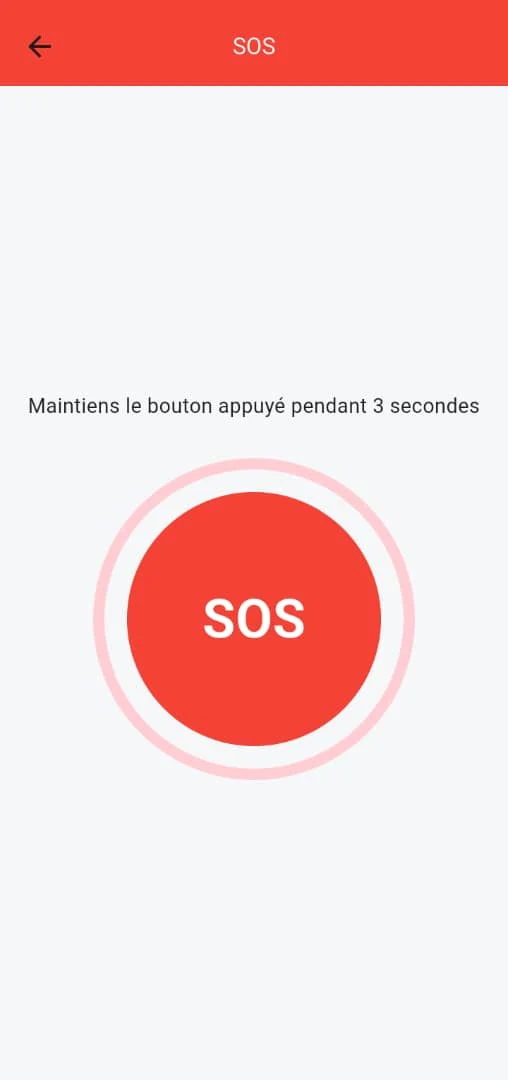
No complex setup. You press the button, that is all.
Switch the beacon on
A long press should be enough: the beacon will switch on and look for the position. That behaviour is written into the firmware, never run on a circuit.
Send and locate by satellite
The position will leave by satellite, depending on no ground-based mobile network. That is the step still to be proven.
Alert received, situation followed
Your emergency contacts receive a text message with your exact position and can follow the situation.
Built for the field, not for a showroom
Every feature serves one purpose: staying useful when nobody else can help.
Coverage where there is no network
Designed to work where mobile operators send no signal at all, from the Tibesti to the Sahel. No real satellite transmission has taken place yet.
Precise positioning
The GNSS module planned should place the position within 3 to 5 metres in ideal conditions. A design target, set out below.
Simple to use
One button. Nothing to learn under the stress of an emergency.
Technology proven in aviation and at sea
Teskideh will rely on the Iridium constellation, 66 satellites in low earth orbit already used by aviation and shipping. The enclosure itself is still being studied.
Design targets
Values the design aims for. None has yet been measured on a prototype.
Designed in Chad, for the Sahel
A product thought out for the Chadian market, not imported unchanged from abroad.
Iridium satellite network
The same low-earth-orbit satellite infrastructure used by rescue services worldwide.
A mission born in the field
Find out why this project exists and the mission behind it.
The app already exists
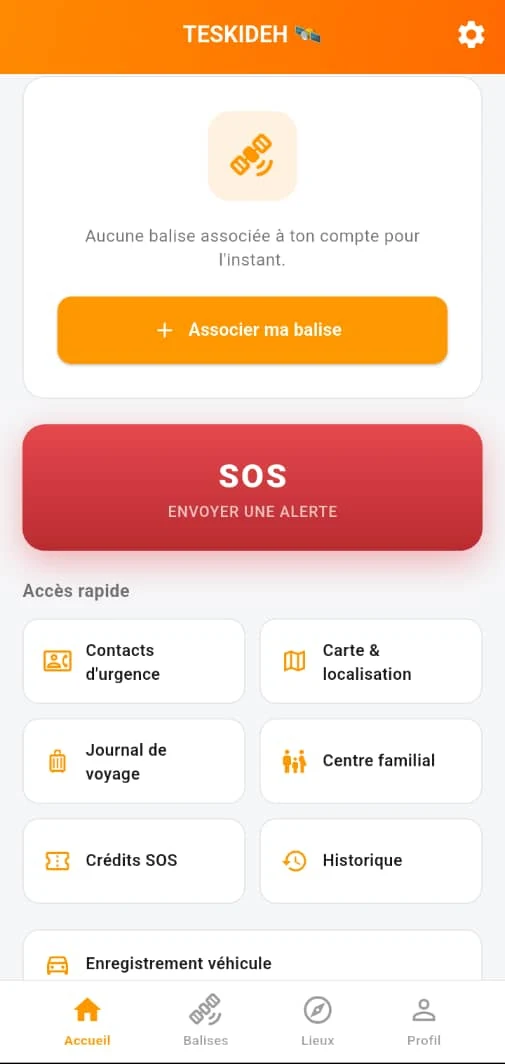
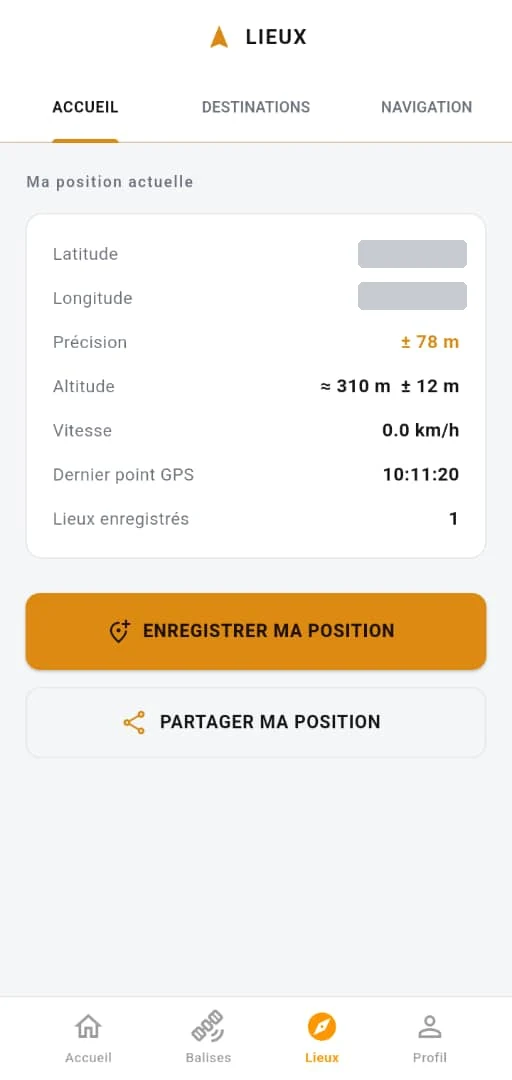
The beacon is still being designed, but the app can be installed today and works without a network for the positioning part.
Where the project stands
Teskideh is a project under development, not a product on sale. Here is exactly what works today and what is still to be done.
-
Tested end to end
What works today
The Android app, the accounts and emergency contacts, and the server chain through to sending the located text message.
-
Designed, never proven
What is written, never run
The Iridium satellite architecture, with its message format defined, and the beacon's firmware, which compiles without ever having run on a circuit.
-
Ahead
What is left to do
The enclosure, acquiring the Iridium module, then the first trials in desert conditions.
An Iridium 9603 module costs around 220 euros per unit. The first real transmission is targeted for the third month after funding, once the components have arrived and laboratory testing is done.
Three ways to use it
What they share: going where nobody can reach you.
Travellers
Sahara and Sahel crossings, tracks with no relay, late returns. The people close to you know where you are, even when you can no longer call.
Fleets and missions
Transport companies, mining sites, humanitarian or scientific missions: several beacons will be followable from a single account.
Isolated areas
Herders, gold panners, people living in no-coverage areas, for whom the nearest network is hours away by road.
Frequently asked questions
The three questions we are asked before all the others.
Interested in joining the pilot program?
Leave your details: you will be contacted once the first beacons exist. No payment, no commitment.
Join the pilot programWhat we write from the field
- Surviving in the desert: the 5 rules before you leave Water, route, communication: what to prepare before any departure into the Sahara or the Sahel.
- The checklist for travelling in isolated areas The practical list to tick off before taking the road far from any network coverage.
- How does a satellite alert actually work? From pressing the SOS button to the alert reaching the people close to you: the full journey, explained plainly.